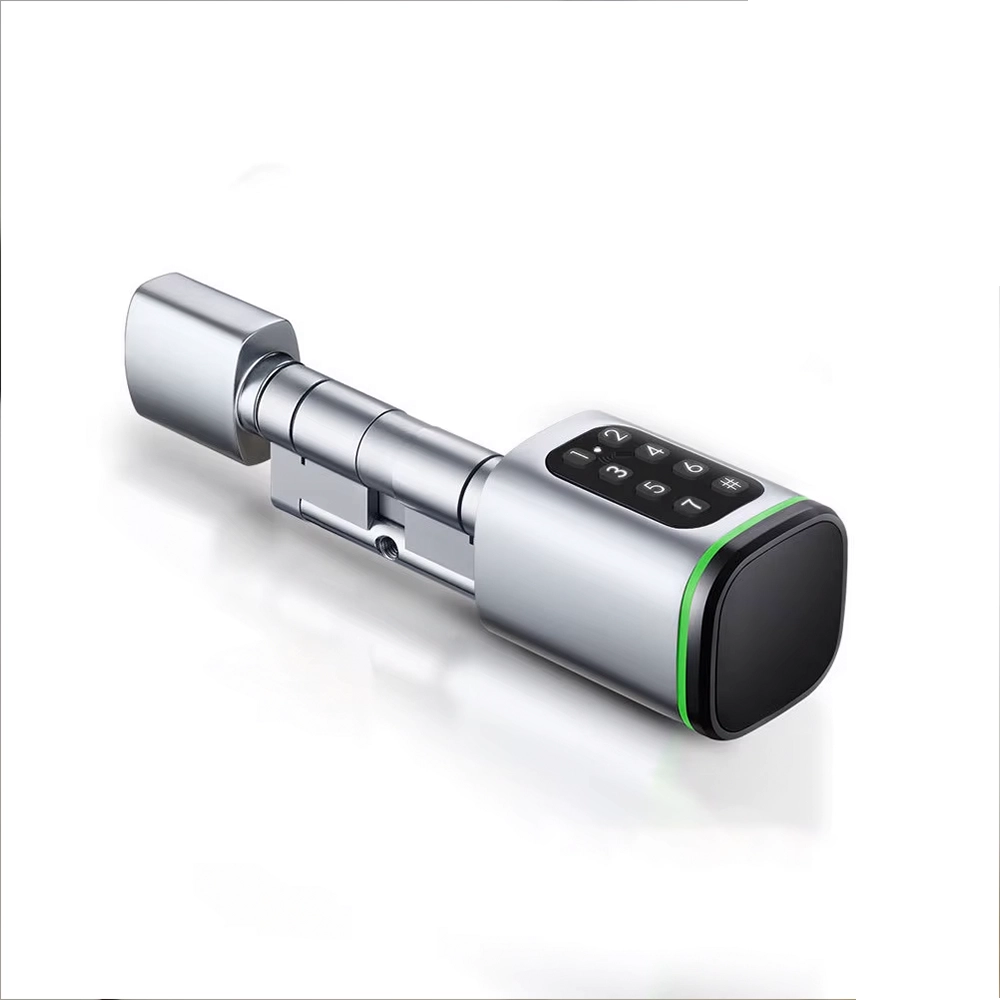
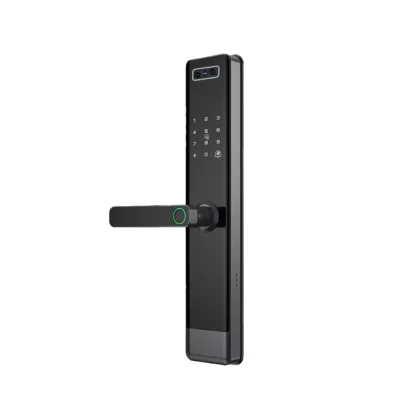

Palm vein recognition is one of the most advanced biometric technologies used in premium smart locks today. While it may sound futuristic, it is already being adopted by homeowners who want higher security, cleaner access, and better reliability than traditional fingerprint or face recognition systems.
In this guide, we explain how palm vein recognition works, how it compares with other biometric door locks, and what you should know before choosing a palm vein smart lock for your home.
What Is Palm Vein Recognition?
Palm vein recognition is a biometric authentication technology that identifies a person by scanning the unique vein pattern beneath the skin of the palm. These vein patterns are extremely complex and unique to each individual, even among identical twins.
Unlike fingerprint scanners that read surface ridges, palm vein systems work below the skin, making them harder to copy, more hygienic, and more consistent in real-world use.
This technology is commonly found in high-end biometric door locks and advanced access control systems.
How Palm Vein Recognition Works (Step by Step)
1. Near-Infrared Light Is Emitted
The smart lock emits near-infrared (NIR) light toward your palm. This wavelength is ideal for detecting blood vessels beneath the skin.
2. Hemoglobin Absorbs the Light
Veins contain deoxygenated hemoglobin, which absorbs near-infrared light more than surrounding tissue. This creates a strong contrast between veins and skin.
3. The Vein Pattern Is Captured
An optical sensor or camera records the reflected infrared image, revealing the vein structure as dark lines—an internal “map” of your palm.
4. A Digital Biometric Template Is Created
The image is converted into a secure, encrypted mathematical template. The lock does not store a photo of your palm.
5. The Lock Matches the Pattern to Unlock
When you present your palm again, the lock compares the live scan with the stored template. If the match meets security thresholds, the door unlocks—usually in under one second.
Why Palm Vein Recognition Is More Secure
Palm vein recognition is considered one of the most anti-spoofing biometric technologies available for consumer smart locks because:
- It reads internal vein structures, not surface features
- It is resistant to dirt, sweat, cuts, and worn skin
- Photos or fake molds cannot reproduce live blood absorption
- Most systems include built-in “liveness detection”
While no biometric system is perfect, palm vein recognition significantly reduces common attack methods used against basic fingerprint sensors.
Palm Vein Smart Lock vs Other Biometric Door Locks
Palm Vein vs Fingerprint Recognition
Fingerprint smart locks can struggle with:
- Wet hands (after washing, rain, wudu)
- Dry or cracked skin
- Worn fingerprints from manual labor
- Dirty or scratched sensors
Palm vein recognition is usually more consistent, as it reads beneath the skin and often works without direct contact.
Palm Vein vs Face Recognition
Face recognition depends heavily on:
- Lighting conditions
- Camera quality
- Viewing angle and distance
- Changes like masks, glasses, or hats
Palm vein recognition is less affected by environment, more private, and requires intentional user action—making it preferable for front doors and private residences.
What to Know Before Buying a Palm Vein Smart Lock
1. Installation Height Matters
Palm vein sensors require your hand to be presented at a specific distance. Poor mounting height can reduce ease of use.
2. Proper Enrollment Is Important
Accurate palm registration during setup ensures faster and more reliable unlocking later.
3. Battery and Power Still Matter
Even the best biometric lock needs power. Look for:
- Long battery life
- Low-battery alerts
- Emergency power options (USB backup)
- Mechanical key backup, if available
4. Biometric Data Security Is Critical
Choose reputable brands that:
- Store biometric data as encrypted templates
- Provide clear privacy policies
- Offer firmware updates and after-sales support
Always secure admin access and change default passwords after installation.
Who Should Use a Palm Vein Smart Lock?
Palm vein recognition is ideal for:
- Villas with frequent visitors or domestic staff
- Families with children who lose keys
- Homes where fingerprints often fail
- Users who want premium security without cameras
- Holiday homes requiring secure but simple daily access
Common Questions About Palm Vein Smart Locks
Is palm vein recognition safe for the body?
Yes. Near-infrared light used in smart locks is low-power and safe for consumer use.
Does it work with wet hands?
Generally better than fingerprint sensors, though drying your palm improves speed.
Can it unlock with gloves on?
No. Gloves block vein detection.
Is it more accurate than fingerprint recognition?
In many real-world conditions, yes—especially for users with wet, worn, or dirty fingers.
Final Thoughts: Is Palm Vein Recognition Worth It?
Palm vein recognition works by using near-infrared light to read the unique vein pattern inside your palm, converting it into a secure biometric template, and matching it instantly during access. Because it relies on internal biological features rather than surface details, it offers higher reliability, better hygiene, and stronger resistance to spoofing.
If you are looking for a modern, premium smart lock that performs consistently in daily life and raises your home security level, palm vein recognition is one of the best biometric options available today.